Thinking about selling your Ruidoso cabin but not sure where to start? You are not alone. Mountain properties have unique needs, from short-term rental permits to wildfire readiness, and the right prep can protect your price and your timeline. In this guide, you will get a practical, step-by-step plan tailored to Ruidoso so you can focus on the fixes and finishes that matter most. Let’s dive in.
Know the Ruidoso market context
Ruidoso is a true resort village with a large second-home footprint. About 60% of homes here are vacation properties, and elevation ranges roughly 6,500 to 8,000 feet, which means seasonal traffic and showing patterns. Snowfall is modest but real, and out-of-town buyers often plan quick trips to view homes. Keep that rhythm in mind as you plan your prep and listing timeline. You can see the broader setting in the local fact sheet from Discover Ruidoso.
Wildfire and flood awareness are also part of selling in the mountains. Ruidoso is a wildland-urban interface community with active forestry programs and a focus on defensible space. Flood events have affected parts of the watershed in recent years, so documentation of mitigation can be a plus in your marketing.
Start with safety and compliance
If you do only one thing before you list, make it this section. Safety and legal compliance items are visible to buyers, lenders, and inspectors, and they can derail a deal if left unresolved.
Short-term rental permits
If your cabin has been a short-term rental, confirm your permit status and recent inspection history with the Village of Ruidoso. The village requires registration, annual inspections, and specific safety features. One unique requirement for STRs is providing a working NOAA Weather Radio for guests. Review the current rules and your documentation using the village’s short-term rental guidelines. Having your permit, inspections, and lodger’s tax records organized reduces negotiation points.
Detectors and fire gear
Test and document all smoke and carbon monoxide alarms. Replace batteries and expired units as needed. STRs must also have ABC fire extinguishers placed along egress routes. Print a simple test log for showings so buyers see current dates. You can confirm expectations through the village’s STR requirements.
Order a pre-listing inspection
A seller-paid pre-list home inspection helps you choose repairs on your timeline and can reduce renegotiations. Consider add-ons that fit mountain cabins: septic evaluation and pump, well water test if applicable, radon test, and a Level-2 chimney inspection for any fireplace or wood stove. Industry guidance supports pre-list inspections as a smart move in competitive and vacation markets; see this overview on pre-listing inspections for why they reduce surprises.
Fix systems that derail sales
Once compliance is covered, move to the core systems buyers and lenders scrutinize. Addressing these early protects your closing.
Septic and on-site wastewater
If your property uses a septic system, gather permits, service records, and dates of the last pump. Many rural transfers expect a system evaluation. The New Mexico Environment Department (NMED) oversees permitting and repairs through its Liquid Waste Program. Start here to confirm what is required and to find qualified providers: NMED Liquid Waste Program.
Wells and water quality
If you have a private well, order a water test that includes bacteria, nitrates, and a basic mineral profile. Note any filtration or treatment equipment and its service history. NMED offers homeowner guidance and contacts that can help you plan next steps; see the department’s information for homeowners.
Chimney and fireplace safety
For any wood stove or fireplace, schedule a Level-2 chimney inspection, which includes a video scan of the flue. Many real estate inspections and lenders expect this level of review at transfer, and it is common for issues to surface late. Getting it done before listing reduces last-minute credits. Learn more about what a real estate chimney inspection includes from this industry overview of Level-2 inspections.
HVAC, electrical, and plumbing
Fix obvious safety items like loose railings, exposed wiring, slow leaks, and missing GFCIs near sinks. A quick HVAC tune-up and service record for your furnace or heat pump go a long way with buyers. Keep receipts in a simple “home file” for showings.
Tackle roof, moisture, and structure
Water worries can kill deals. Make roof and moisture control a priority so buyers feel confident in your home’s envelope.
Roof, flashing, and ventilation
Mountain sun and snow can age roofing and flashing. If you see stains on ceilings or in the attic, investigate before listing. Clean gutters, replace worn shingles, fix flashing, and confirm adequate attic ventilation. A small repair now is often cheaper than a big credit later.
Grading and drainage
Direct water away from the cabin and any septic components. Clear culverts and downspout outlets, repair minor grading, and remove debris that blocks flow. These quick fixes prevent standing water and reassure buyers during inspections.
Boost curb appeal and reduce risk
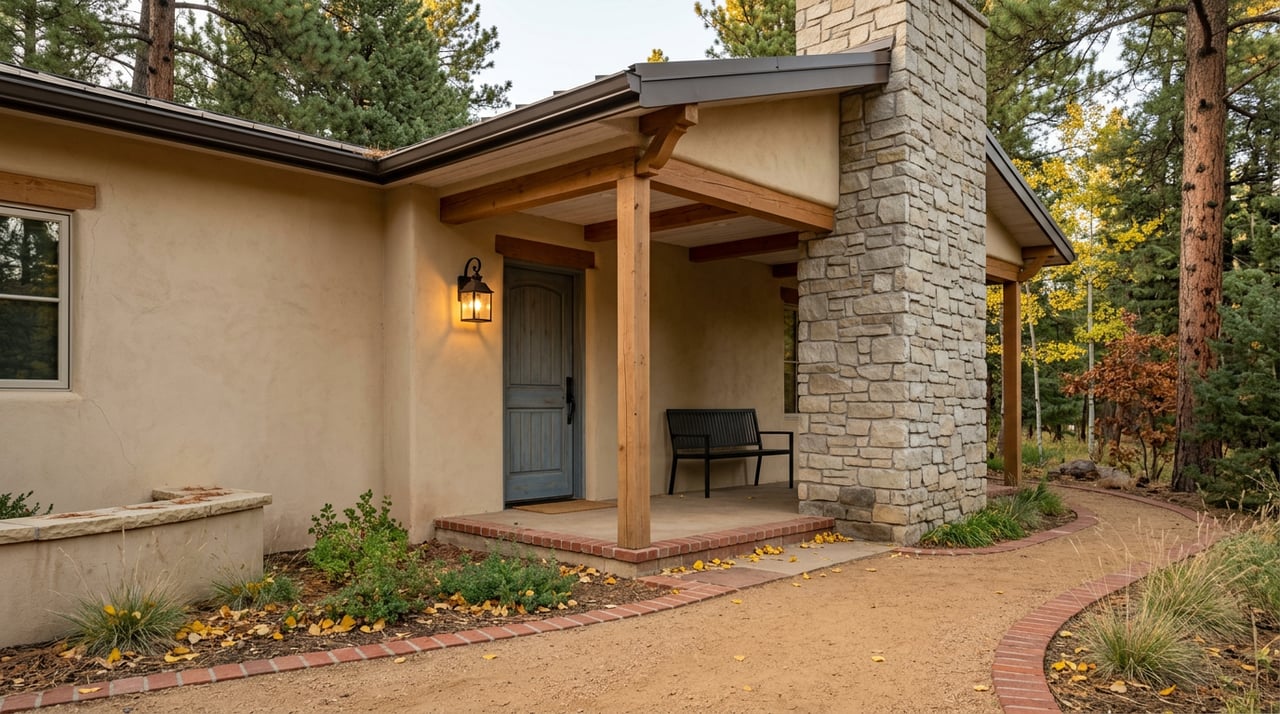
In Ruidoso, exterior prep does double duty. It can make your photos pop and it signals wildfire readiness.
Wildfire defensible space
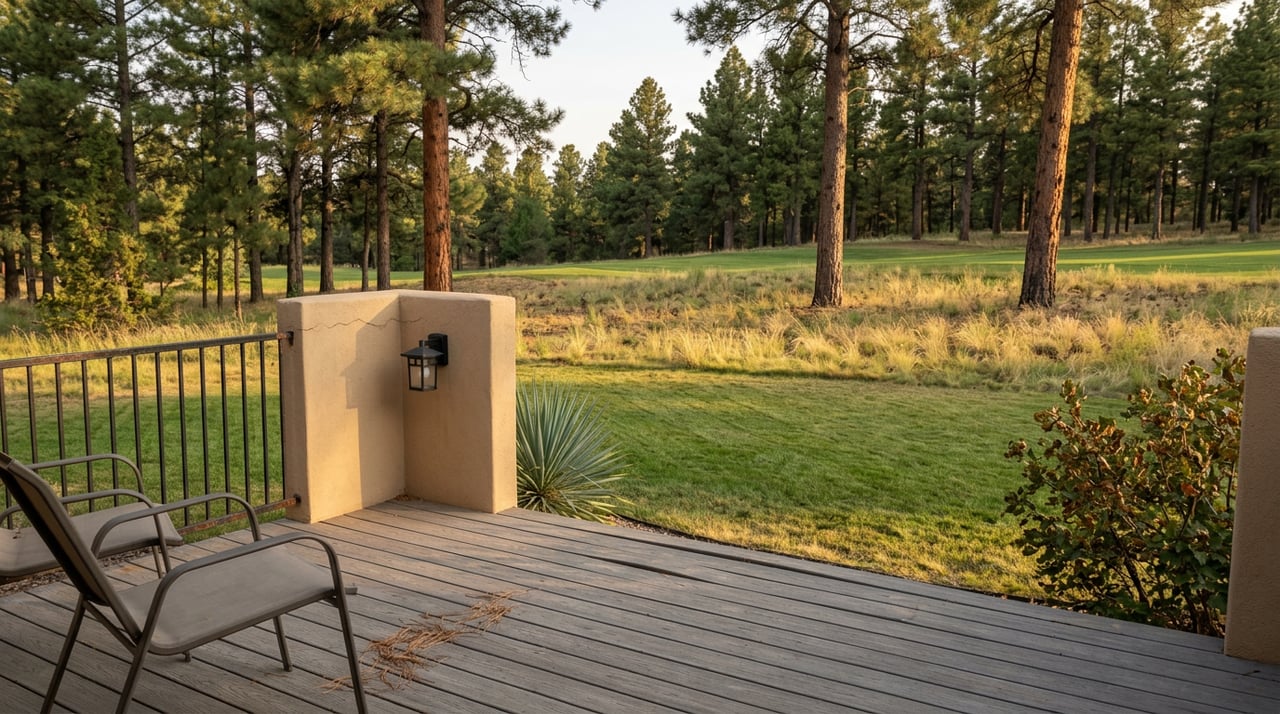
Create three simple zones. In the first 0 to 5 feet, keep a nonflammable perimeter and remove pine needles, mulch, and wood stacks. From 5 to 30 feet, reduce fuels by limbing up trees and removing ladder fuels. Beyond 30 feet, thin as allowed and practical. Local resources outline zone basics and contractor options; start with the Lincoln County wildfire preparedness guidance and the village’s forestry and mitigation information. If you receive a certificate or contractor invoice for completed work, add it to your home file. Buyers value visible, documented mitigation.
Hardening with smart upgrades
Some small exterior projects deliver both safety and curb appeal. Clean roofs and gutters, repair or replace damaged decking and railings, install ember-resistant vent screens if needed, and remove combustible materials next to siding. These upgrades are easy to point out on tours and in your listing remarks.
Flood awareness and access
If your cabin sits near the Rio Ruidoso or a drainage, document elevation, culvert improvements, or other mitigation. FEMA has highlighted Ruidoso flood events and the value of coverage; consider sharing this Ruidoso flood insurance case study as a resource with serious buyers. Also check visibility and safety: refresh address numbers so they are visible from the road, maintain clear sightlines at the driveway, and line up snow removal instructions for winter showings.
Declutter, deodorize, and stage
Mountain charm is a plus, but you want the space to feel open and easy to maintain. Aim for bright, neutral, and simple.
Simplify the mountain look
Put away heavy, personal décor. That might include themed spaces, excess rustic accessories, or hunting displays. Box up off-season gear and use a garage corner or short-term storage so rooms photograph large and light. Neutral textiles and less furniture can make smaller cabins feel bigger.
Clear out smoke odors
Wood smoke can linger in fabrics and ductwork. Deep clean or replace items like curtains, throw pillows, and area rugs. Professional steam cleaning and HVAC or duct cleaning help too. Pair that with a recent chimney sweep and ash removal. If odors persist, talk with a licensed odor remediation pro. Learn why a clean, inspected fireplace is a selling point in this chimney inspection overview.
Stage high-impact rooms
Focus on the living room, primary bedroom, and kitchen first. These spaces shape buyer impressions more than any others. Neutral palettes, warm lighting, and minimal but tasteful accessories work best. Industry pros consistently note the value of strategic staging and presentation; see this NAR feature on styling and property staging.
Photography tips
Plan for a sunny day. Open blinds, turn on all lights, and highlight views, deck access, and any stone or fireplace features. If the home is vacant, consider partial or virtual staging to lift your online presence.
Showings, pricing, and timing
Out-of-town buyers often have short windows to tour homes, so flexibility is your friend. Prep to say yes to last-minute bookings.
Plan for flexible showings
Keep the home show-ready and use a realtor-managed lockbox. Provide clear, simple instructions: where to park, thermostats set to a comfortable level, no pets on site, and lights on. For active STRs, maintain a clean guest calendar and your permit file in case an agent requests it. The village’s STR page is a helpful reference for what buyers may ask about.
Price to comps, not trends
In a resort market, buyers compare lifestyle fit as much as finishes. Large custom upgrades are not always easy to recoup. Prioritize safety, systems, curb appeal, and documentation. Work with your agent to run local comps and model scenarios like repair-now versus credit-at-closing.
Leverage documentation
A clean pre-list inspection, plus receipts for septic service, well testing, chimney evaluation, defensible-space work, and roof or deck repairs, reduces friction and can support your ask. If you choose to share your pre-list report, mention it in your listing remarks and have the summary available at showings. For background on why this strategy works, see the guide to pre-list inspections.
Suggested pre-list timeline
- 3 to 6 weeks before listing: Order your pre-list inspection, septic pump and evaluation, well water test, and Level-2 chimney inspection if you have a fireplace or wood stove. Book trades for urgent fixes.
- 2 to 4 weeks: Complete priority repairs, clear defensible-space items, deep clean, and plan staging and photography.
- 1 week: Do a final walk-through, refresh address numbers and wayfinding, and assemble a simple home file with service records, permits, warranties, STR permit, and disclosures.
Your local next step
Selling a Ruidoso cabin is different, but it does not have to be difficult. With the right order of operations and clear documentation, you can protect your net and move on your timeline. If you want a tailored pre-list checklist and pricing plan that reflects local STR considerations, wildfire and flood history, and the way resort buyers shop, reach out to Misty K Strickland for a no-obligation prep plan and market review.
FAQs
What Ruidoso STR rules should sellers check before listing?
- Confirm your short-term rental registration, inspection results, and safety items like smoke alarms, ABC extinguishers, posted emergency info, and a working NOAA Weather Radio; start with the village’s STR guidelines.
Do I need a chimney inspection to sell a cabin in Ruidoso?
- A Level-2 chimney inspection is widely recommended at property transfer for any wood-burning appliance, and getting it done before listing prevents last-minute repairs or credits; see an industry overview of Level-2 inspections.
How important is wildfire defensible space to buyers?
- Very; buyers look for clean roofs and gutters, thinned vegetation, and documentation of mitigation, and local resources like Lincoln County’s preparedness page explain the zone approach buyers expect to see.
Should I test a private well before listing my cabin?
- Yes; order a water test for bacteria, nitrates, and minerals, and keep any treatment records with your disclosures; NMED offers homeowner guidance.
What septic steps are expected during a property transfer in New Mexico?
- Sellers should gather permits and service records, arrange a pump if due, and secure a compliance inspection or repair estimates as needed under NMED’s Liquid Waste Program.
How do recent floods affect selling near the Rio Ruidoso?
- Buyers may ask about flood history, elevation, and mitigation; sharing documentation and referencing FEMA’s Ruidoso flood case study can support transparency and confidence.