Imagine a morning round of golf, lunch at the clubhouse, and an afternoon hike among tall pines, all within minutes of your front door. If you are weighing a second home in the Ruidoso area, Alto Lakes offers that mountain‑club lifestyle many buyers want. In this guide, you will learn what club living looks like in Alto, how memberships work, the real costs and upkeep to plan for, and what to verify on a tour. Let’s dive in.
Alto Lakes overview
Set in the Sacramento Mountain foothills of Lincoln County, Alto Lakes sits at high elevation in the mid‑7,000s feet. You get four true seasons, cooler summers than the lowlands, and regular winter snowfall. The growing season is shorter, and freeze‑thaw cycles influence home maintenance and utilities.
Alto is adjacent to the Ruidoso area, so daily needs like groceries, dining, and basic services are nearby. Major commercial flights typically route through larger cities several hours away, such as Albuquerque or El Paso. There are regional airfields that serve the area for private or limited commercial flights. If you plan frequent travel, verify current driving times and flight options during the seasons you will be visiting most.
Nearby recreation shapes the lifestyle and rental appeal. Winter skiing at Ski Apache, national forest trails, hunting and fishing, and a variety of dining and entertainment in Ruidoso are all part of the draw.
Golf, club and recreation
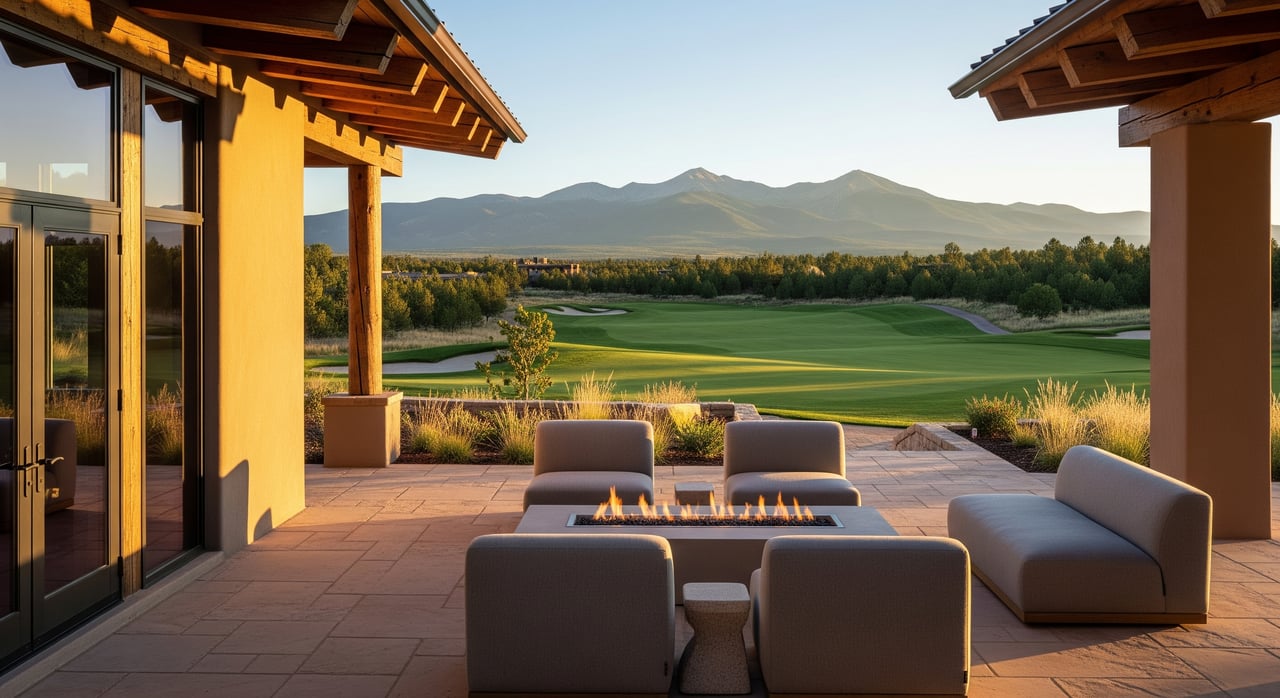
Alto Lakes Golf & Country Club centers on an 18‑hole course supported by practice facilities like a driving range and practice green. Many owners enjoy instruction, league play, and tournaments. Ask about tee‑time policies, guest privileges, and cart rules, since details and availability can vary by season.
Clubhouse amenities typically include on‑site dining, a bar or lounge, and event spaces. It is smart to confirm hours, reservation policies, member discounts, and whether services run year‑round or follow seasonal schedules.
Recreation often extends beyond golf. You may find tennis and pickleball courts, swimming pools, a fitness center, and walking or biking options. Availability can be seasonal. Social programming is common, with clubs, group activities, and organized tournaments that help you plug in quickly if you want an active calendar.
Behind the scenes, a well‑run community also provides services like gated entry, private road maintenance, landscaping programs, snow removal, and on‑site staff or vetted vendors. These details matter in a mountain climate and can influence dues and assessments.
Membership basics
Country clubs like Alto Lakes usually offer multiple membership types. Expect options such as full golf memberships, social memberships without golf, non‑resident plans, and sometimes trial or temporary introductions for new buyers. Names and benefits differ by club, so request the current membership packet and fee schedule.
Fee structures typically include an initiation fee, monthly or annual dues, capital reserve or assessment fees, possible cart storage or use fees, food and beverage minimums, and guest or reciprocal fees. Clubs revise fees over time. Ask for the current schedule and a history of recent changes.
Access rules also matter. Clarify who can use each amenity, where guests are allowed, any guest limits, and whether certain facilities are reserved for members versus owners. Some clubs have restrictions tied to membership status that may affect short‑term rentals. Get any transfer or resale policy in writing, including whether membership is required for buyers at closing or optional at resale.
Homes and market reality
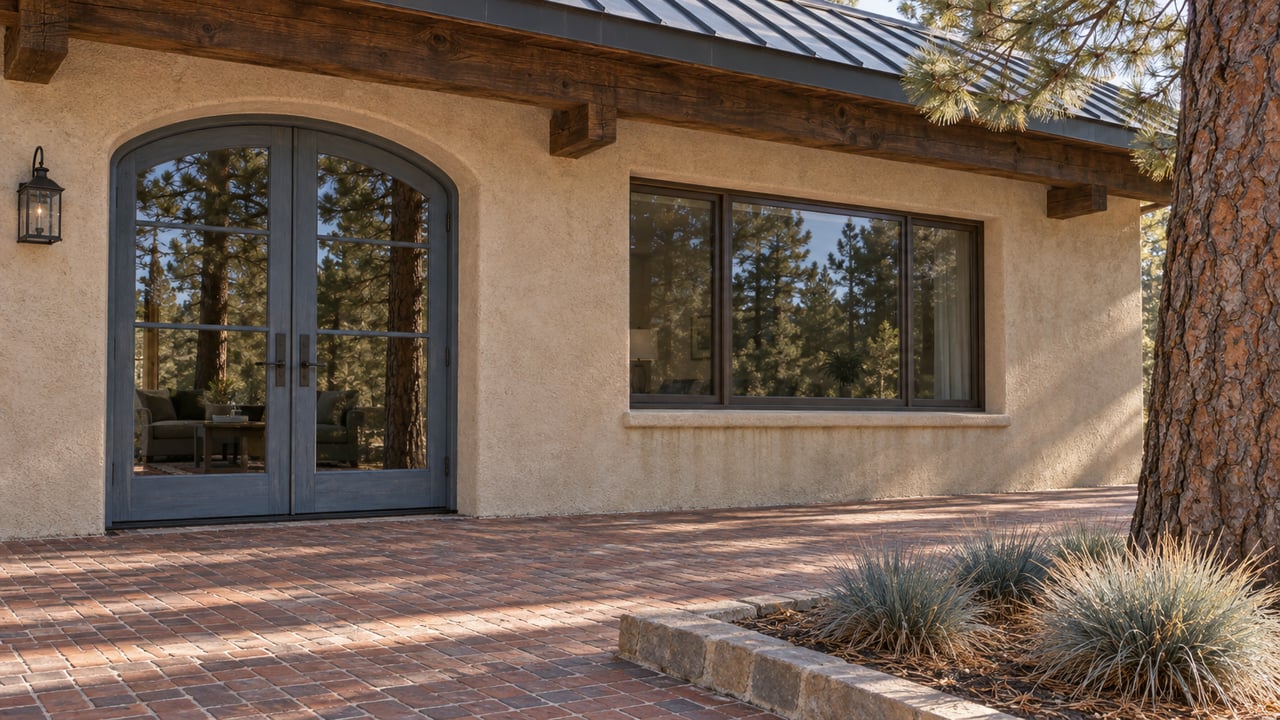
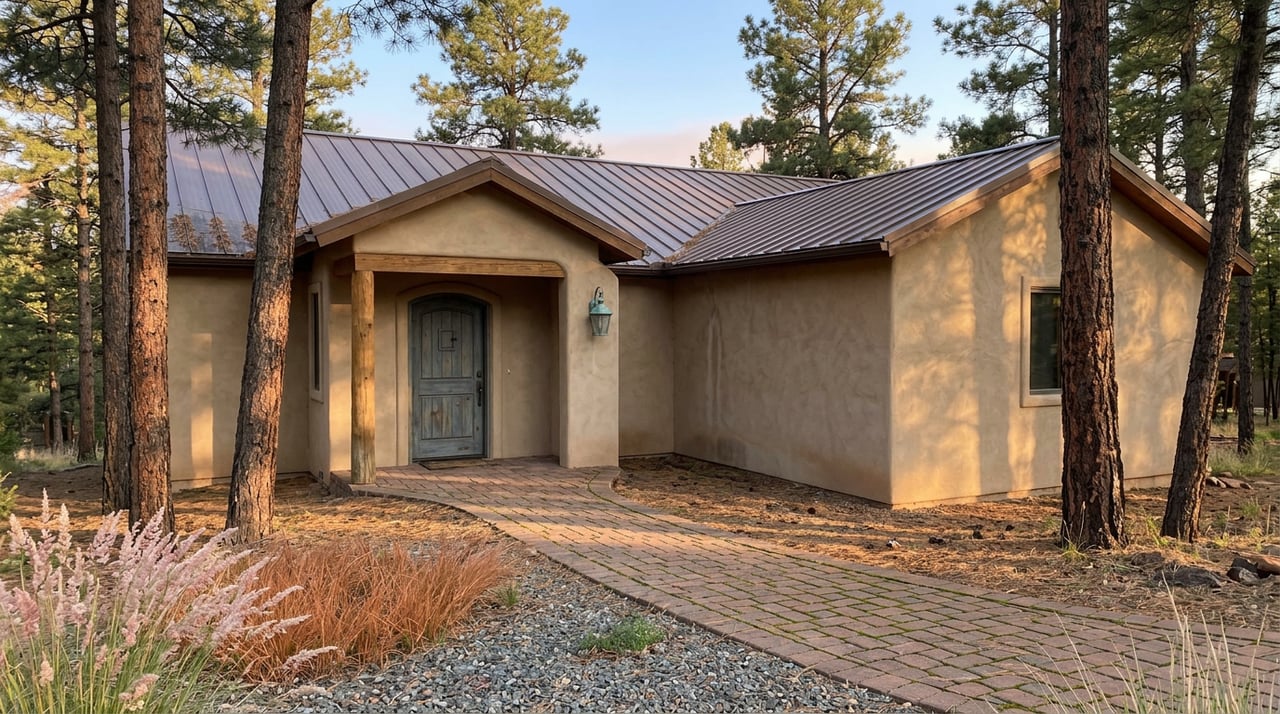
Housing options range from custom single‑family homes and classic cabins to hillside lots with mountain views and some patio or ranch‑style residences. You will see a mix of older homes, newer custom builds, and vacant lots suitable for your own design.
Values in club communities are driven by the lot and the condition of the home. Golf‑course frontage, broad views, recent remodeling, and turnkey furnishings often command a premium. Inventory can be seasonal and shifts quickly, so rely on local MLS‑driven comps and on‑the‑ground context when you are ready to make offers.
If rental income is part of your plan, confirm policies early. Short‑term rentals can be in demand due to regional recreation, but rules are community‑specific. Ask about whether rentals are allowed, any minimum stay rules, caps on rental nights, and any registration or permit requirements.
HOA rules and governance
Most planned club communities operate with CC&Rs that shape daily life and future projects. Expect rules for building envelopes, architectural reviews, exterior materials and colors, landscaping, and vehicle parking. These guidelines affect remodels, additions, and rental occupancy.
HOA obligations typically cover shared costs such as gated access, private roads, water or wastewater systems, snow removal, security, and common area landscaping. Clarify what your dues include and which items may require special assessments.
Utilities can differ by subdivision or even by street. Verify whether a property is served by a community water system or a private well. Confirm whether wastewater is a community system or septic. Check the electricity provider, whether propane is used for heat or cooking, and the quality of broadband or cell coverage at the specific address. Rural mountain coverage can be limited and can impact remote work and rental marketing.
Insurance is another planning point. In addition to standard homeowners coverage, mountain properties may need wind, hail, and wildfire or other hazard coverage. Ask whether the HOA carries a master policy and where owners’ responsibilities begin and end.
Costs and seasonal upkeep
When you budget, consider club dues plus HOA dues, plus the related fees like cart use, storage, or food minimums. Review the last three years of dues history and request the most recent reserve study to understand capital planning.
Expect higher winter costs than in lowland communities. Heating is often electric or propane. Snow removal for your driveway, roof and gutter maintenance, and HVAC tune‑ups are common line items due to snow and freeze‑thaw cycles. Build a maintenance reserve into your annual plan.
Many second‑home owners hire local property managers to handle cleaning, maintenance, rental turnover, and winterization. Management fees vary, and availability can be seasonal. If you plan to self‑manage, line up reliable contractors for seasonal service and emergencies.
Insurance costs may reflect wildfire risk and other mountain hazards. Ask about defensible‑space requirements and any community programs that support mitigation. Insurers may offer better terms when you follow best practices for hardening your home.
Safety and environment
Wildfire is a reality in New Mexico’s mountain communities. Ask about community‑wide mitigation such as fuels reduction, chipping days, or fuel breaks. Learn whether there are defensible‑space rules and whether compliance can influence insurance options.
Winter storms can affect access for short periods. Confirm who maintains private roads, how snow removal is handled, and whether there are plowed access commitments in winter. Make a plan for your driveway and walkways if you will not be in town after heavy snow.
Steep terrain can bring localized flood or slope issues. Review FEMA flood maps and any available slope or stability information for lots you are evaluating. Power outages can occur in mountain areas. Consider backup power solutions and test both cell and internet service at the property before you buy.
Plan your tour with Misty
A focused tour saves time and helps you compare homes and membership options with confidence. Below is a practical checklist you can use when you visit.
Documents to request
- Current HOA and club bylaws, CC&Rs, and rules and regulations
- Most recent HOA budget, reserve study, balance sheet, and dues or assessment history
- Club membership policy and fee schedule, including initiation, dues, guest fees, and transfer rules
- Minutes from the last 12 months of HOA and club board meetings
- Seller disclosures, any recent inspection reports, and maintenance records for roof, heating, and water systems
- Title report, recorded plats, easement maps, and any building restriction overlays
- Insurance loss history for the property, if available
Key questions to ask
- Is membership required to own here, and which amenities are member‑only?
- What membership types exist, current costs, and is there a waitlist?
- Are short‑term rentals allowed and, if so, what are the minimum stay and permit rules?
- Have there been recent or upcoming special assessments, and are reserves adequate?
- Who maintains private roads, and what is the winter snow removal policy?
- What are the utilities for the property, who bills them, and what are typical annual costs?
- What is cell and internet service like at the home, and which providers serve it?
- Are there any ongoing disputes or enforcement actions involving the HOA?
- Which local contractors are reliable for maintenance, winterization, and emergency repairs?
- What wildfire mitigation efforts are in place, and are there insurance incentives for mitigation?
On‑site checks
- Drive the community on weekdays, weekends, and during peak season to gauge activity
- Inspect road quality and confirm year‑round access to the lot or house
- Review roof, gutters, ice and snow management features, insulation, and heating capacity
- Check water pressure and hot water performance; request recent tests for wells or reports for community systems
- Test cell and internet coverage with your carriers
- Evaluate defensible space, fuel loads around the house, and emergency vehicle access
Is club living a fit?
Start with your priorities. If you want a lively social golf scene with structured activities, confirm tournament schedules, league options, and typical wait times for tee times and courts. If your goal is a quiet retreat with occasional golf, focus on homes with the privacy, views, and maintenance profile that match your lifestyle. If you plan to rent, put rental rules and utility reliability at the top of your due diligence list.
Finally, consider travel patterns and seasonality. The high‑elevation climate is a major plus for many buyers, but it requires planning for winter access and upkeep. The right match balances amenities, costs, and maintenance with how you will actually use the home.
Next steps
When you are ready to compare homes and memberships, partner with a local advisor who knows Alto, Ruidoso, and Lincoln County inside and out. With a background in paralegal and loan closings, plus years of boutique, hands‑on brokerage service, Misty will help you line up documents, ask the right questions, and negotiate with confidence.
Want a personalized tour plan and current fee schedules? Reach out to Misty K Strickland for a straightforward consult and a short list of homes that fit your goals.
FAQs
What and where is Alto Lakes Golf & Country Club?
- It is a private residential club community in Alto near Ruidoso in Lincoln County, New Mexico, set at high elevation with four seasons and a mountain lifestyle.
Do I have to join the club to own a home?
- Membership requirements vary by community policy and resale rules, so request the current written policy and transfer details before making an offer.
What amenities are available year‑round?
- Core offerings include golf, clubhouse dining, fitness and recreation, but hours and access often shift by season; confirm the current schedule during your visit.
Are short‑term rentals allowed in Alto Lakes?
- Policies are HOA and club specific; verify whether rentals are allowed, any minimum stay rules, registration or permit needs, and any limits on rental nights.
How reliable are internet and cell service for remote work?
- Rural mountain coverage can be limited and vary by address; test speeds at the property and confirm available providers before you buy.
What costs should I budget beyond the purchase price?
- Plan for initiation and membership dues, HOA dues, possible assessments, utilities and heating, snow removal, seasonal maintenance, and appropriate insurance.
How does the climate affect home maintenance?
- High elevation means cooler summers, winter snow, and freeze‑thaw cycles that impact roofs, gutters, and HVAC; plan routine checks and seasonal service.