Thinking about a mountain escape you can actually use year after year? Alto gives you forested views, cooler summers, and easy access to Ruidoso without the constant buzz. If you’re weighing a second home here, you likely want the facts on lifestyle, utilities, rental rules, and upkeep before you fall in love with the view. This guide walks you through what daily life looks like, what it costs to own, and what to check before you buy so you can decide with confidence. Let’s dive in.
Why Alto works for a second home
Alto sits in the Sacramento Mountains above the desert floor, which means tall pines, open skies, and a slower, residential feel. You get the quiet of a mountain neighborhood with restaurants, shops, and services a short drive away in Ruidoso. Summers are cooler, winters are cold and snowy, and the seasons set the rhythm for how you use the home.
Recreation is a big draw. You can ski and snowboard at nearby Ski Apache in winter and hike, bike, fish, or hunt on public lands when the snow melts. Trails and day-use areas in Lincoln National Forest make it easy to get outside.
Lifestyle snapshot: a typical Alto weekend
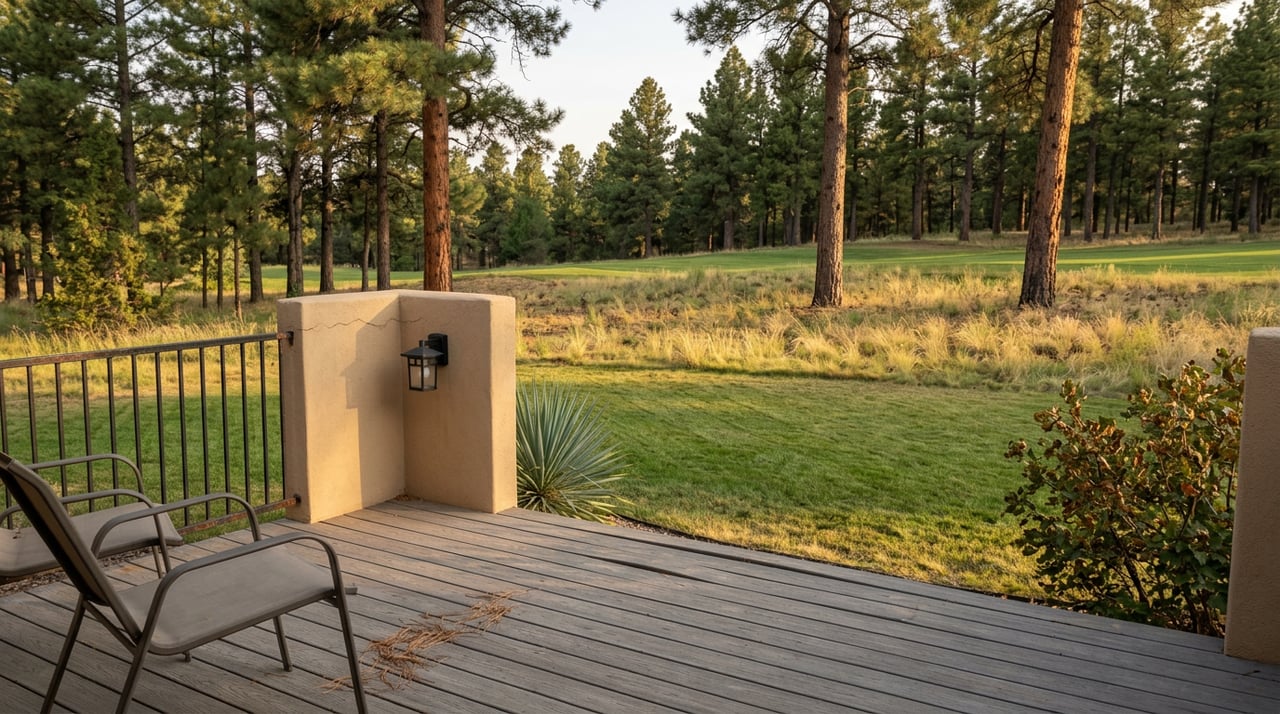
You arrive Friday, drop your bags, and step onto a deck that looks out to the trees. Mornings start slow with coffee and mountain air. By mid‑day you choose a hike or a round of golf at nearby courses in the Ruidoso/Alto area.
In winter, fresh snow can shift plans. You might check the National Weather Service for storm updates, then grab skis for a day at Ski Apache if roads are clear. Evenings are for a simple dinner in town and a quiet fire back at the house.
Home styles and lot patterns
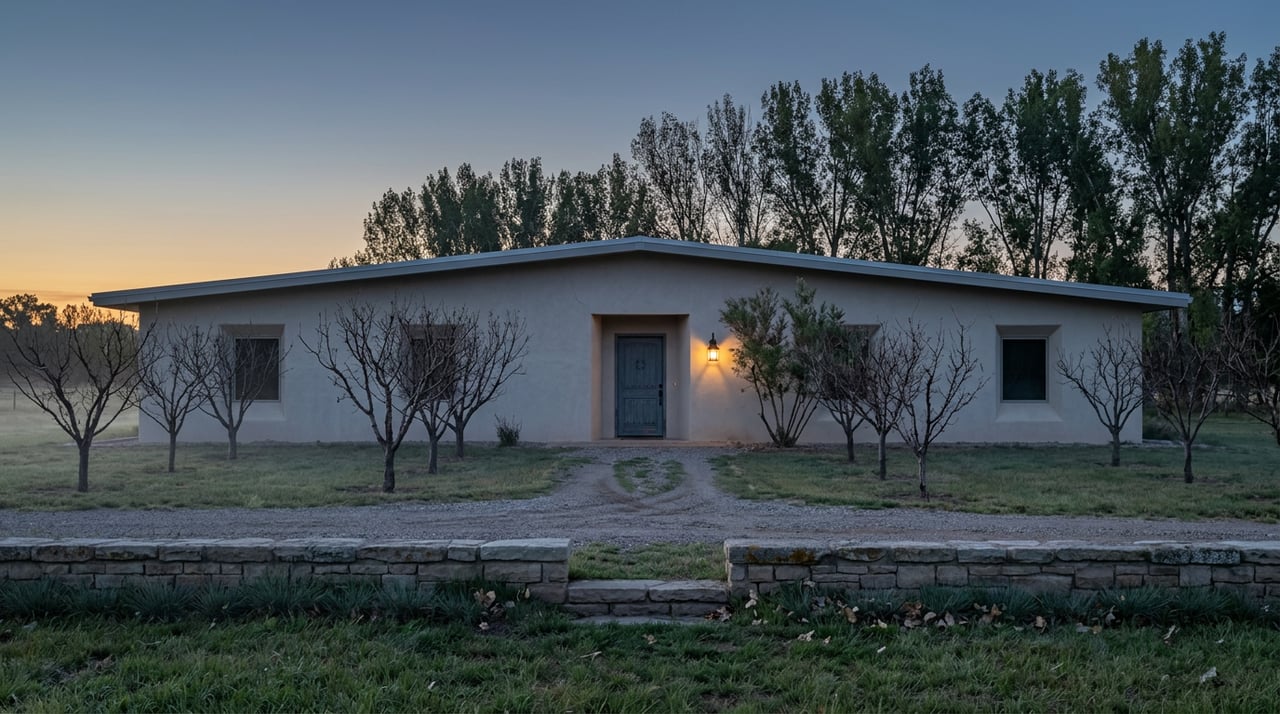
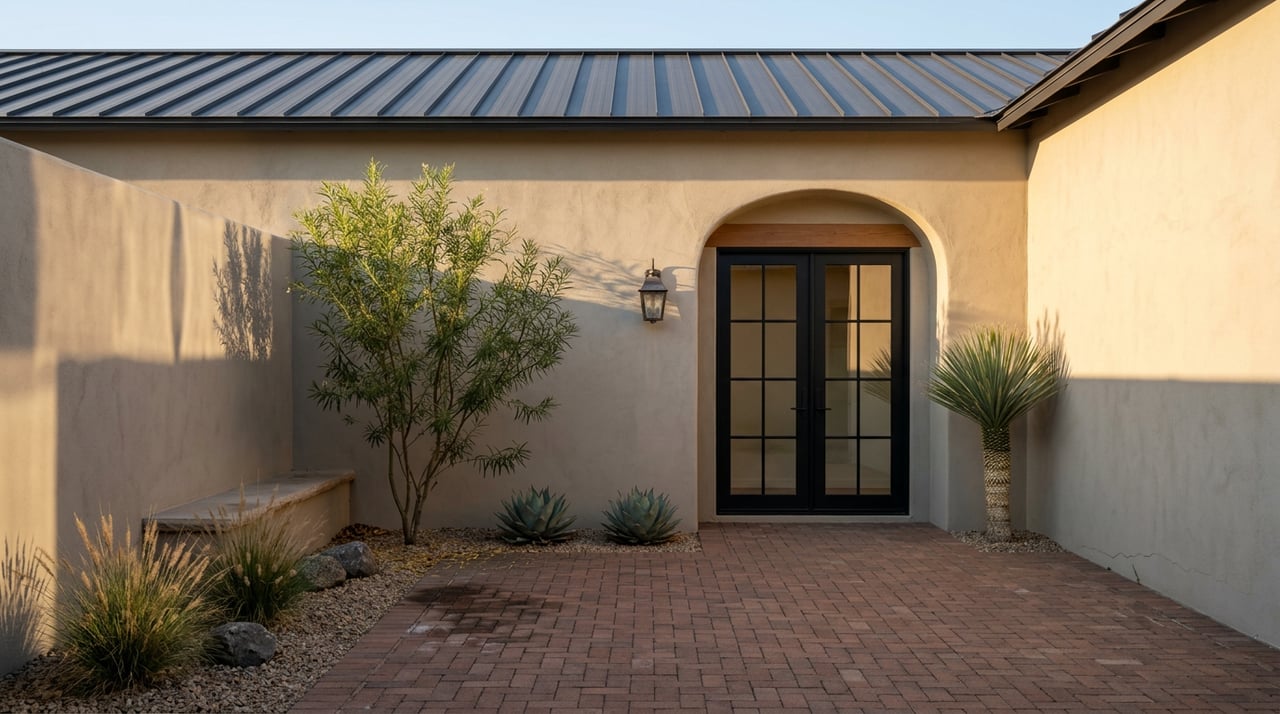
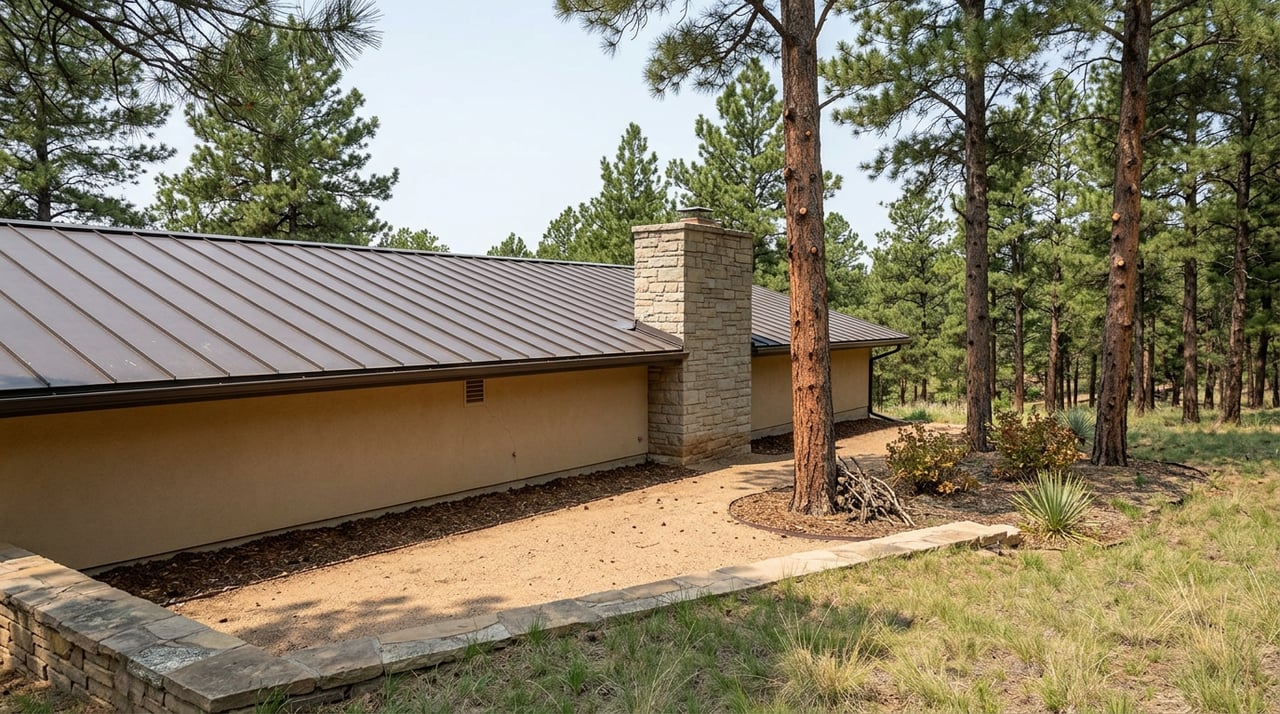
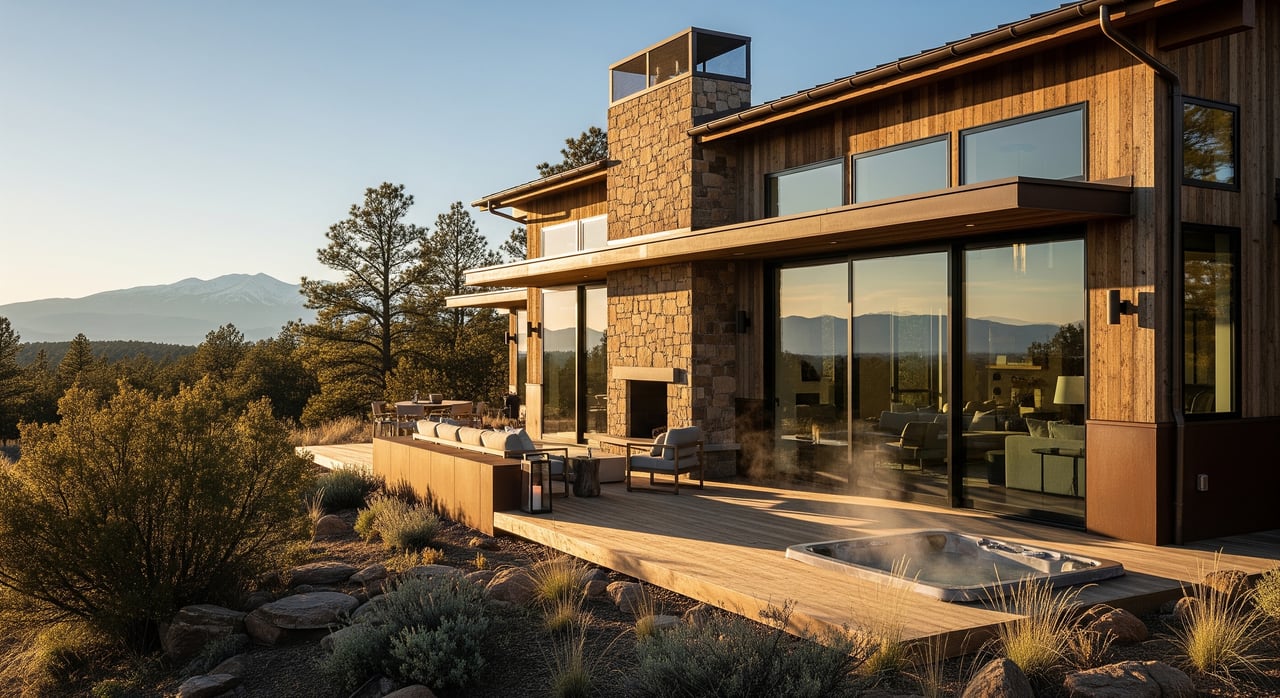
Most homes are mountain‑style single‑family houses or cabins with pitched roofs, wood or log accents, and stone or masonry bases. Newer builds often blend clean, modern finishes with big windows and decks to capture views. Many homes include guest‑friendly layouts so family and friends can join you.
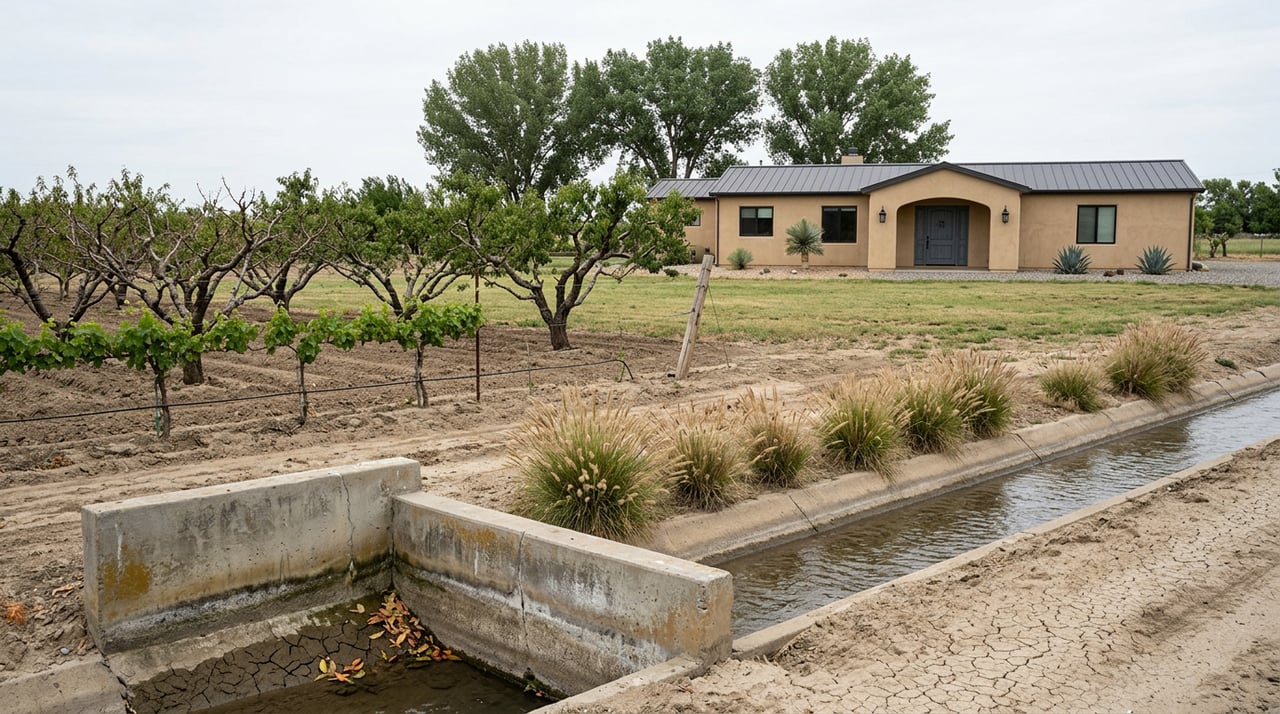
Lots range from smaller subdivision parcels to larger, wooded acres on the edges of development. Tree cover is common. Sloped terrain is normal, so you may see terracing or retaining walls and driveway grades that matter when it snows. Some subdivisions include HOAs that guide exterior standards and may limit rentals, so read covenants closely.
Daily logistics you should plan for
- Water and sewer: Some properties are on municipal or association water, others on private wells. Many homes use septic systems. Ask for well yield and water quality info, plus septic age and service records.
- Heat and power: Heating may be propane, natural gas where available, or electric heat pumps or baseboards. Wood or pellet stoves are common. Storms can cause outages, and many owners install backup power.
- Internet and cell: Broadband and cell service vary lot by lot. Test coverage and speeds at the property if you work remotely or plan to stream.
- Snow and access: Mountain roads can be slick or snow‑packed during storms. Plan for snow removal and consider a vehicle with 4WD for winter visits.
Short‑term rental reality in Alto
Short‑term rentals are possible in parts of Alto, but rules vary by subdivision and location. Expect county licensing, lodging taxes, and safety requirements where permitted. Start with the Lincoln County government to review ordinances, then confirm any HOA restrictions before you buy.
Cost of ownership: what to budget
- Property taxes: New Mexico’s property‑tax rates are generally lower than many states, but your bill depends on assessed value and local levies. Verify details with the county assessor through the Lincoln County government.
- Insurance: Premiums can be higher due to wildfire exposure and winter weather. If you plan to rent, ask about policies designed for short‑term rental use.
- Utilities and maintenance: Budget for higher winter heating, routine septic pumping, chimney and stove cleaning, roof upkeep, and tree work. If you plan to rent, factor in cleaning and property management fees.
Risks and how to manage them
- Wildfire readiness: Forested settings carry wildfire risk. Look for ignition‑resistant roofing and maintain defensible space. Review guidance from the New Mexico State Forestry Division and your local fire district.
- Winter hazards: Freeze‑thaw cycles can damage plumbing and roofs. Ask about winterization, insulation, heat tape, and roof snow‑load design. Snow removal contracts can be a smart add.
- Water systems: For wells, confirm yield and quality. For shared or association water, understand system health and any fees.
- Drainage and erosion: Sloped lots need good grading and drainage. Even in the mountains, check your specific parcel on the FEMA Flood Map Service Center to understand any flood‑related risk.
- Emergency access: Routine care is available in the Ruidoso area; serious events may require travel to larger New Mexico cities. Factor response times into your planning.
Buyer checklist: what to ask before you offer
- Water and septic
- What is the water source: municipal, association, or private well?
- Are recent water quality results and a well yield test available?
- What is the septic age, service history, and capacity? Where is the drain field?
- Structure and systems
- Roof age and snow‑load design; gutter and drip‑edge condition.
- Heating systems, propane lines and tank ownership, wood or pellet stove permits and service records.
- Signs of past freeze damage and visible plumbing insulation or heat tape.
- Fire safety and trees
- Tree density near structures and existing defensible‑space work.
- Any required fire‑mitigation actions by the fire district or HOA.
- Legal and access
- HOA covenants, especially rental and exterior rules.
- Road maintenance and snow removal responsibilities for private roads.
- Utility and access easements and any title exceptions.
- Operations and connectivity
- Internet and cell coverage tested on site.
- Short‑term rental permit path if you plan to rent.
Seasonal calendar at a glance
- Winter: Peak visits for holidays and ski season. Expect snow, slower travel, and higher heating use.
- Spring: Quieter shoulder season. Good time to schedule roof and tree work and refresh defensible space.
- Summer: Popular for cool mountain air, hiking, biking, golf, and lake day trips nearby.
- Fall: Crisp days and fewer crowds. A smart window for maintenance and inspections before winter.
How a local advisor helps
Mountain properties come with details you cannot see in photos: water systems, road agreements, fire‑mitigation requirements, and HOA rules. A local agent helps you verify the right things in the right order so you avoid surprises after closing. You get practical guidance on seasonal use, vendor availability, and what to budget.
If you are ready to explore Alto, reach out for a conversation tailored to your goals and timeline. For steady, local guidance from search to closing, connect with Misty K Strickland.
FAQs
Is Alto a quiet area for vacation homes?
- Yes. Alto is primarily residential and quiet most of the year, with more activity in winter and summer. Nearby Ruidoso offers more dining, shopping, and events.
Can I operate a short‑term rental in Alto, NM?
- Possibly. Rules vary by subdivision and location. Check the Lincoln County government and your HOA covenants for licensing, taxes, and restrictions.
What maintenance does a vacation home in Alto need?
- Plan for winterization, septic pumping, chimney and stove service, roof and gutter care after storms, tree trimming, and snow removal. Many owners hire local caretakers.
How reliable are utilities in Alto mountain neighborhoods?
- Utilities are generally available, but storms can cause outages. Many homes use wells and septic systems. Confirm water source, sewage setup, and backup power options before buying.
What are the biggest risks to plan for in Alto?
- Wildfire exposure, winter weather that can impact access and plumbing, and water‑system issues on rural lots. Review defensible‑space steps with the New Mexico State Forestry Division and check parcel flood status at the FEMA Flood Map Service Center.